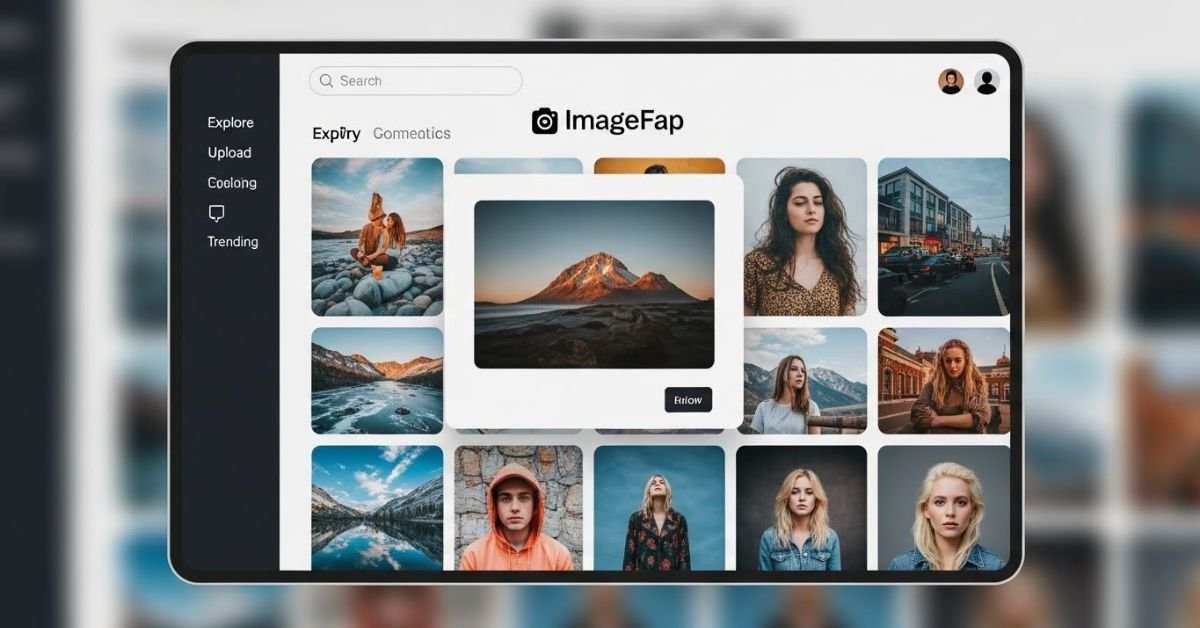
Image Fap is a long-established image-sharing website that has carved out its own identity by focusing on one thing above all else: user-created image galleries. While many platforms chase trends like short videos, live streams, or algorithm-driven feeds, ImageFap has remained largely unchanged in purpose. This article takes you inside ImageFap, explaining how the site works, what users can do on it, and what kind of experience to expect.
A Look at ImageFap’s Core Concept
At its heart, ImageFap is built around collections, not individual posts. Instead of uploading a single image for quick engagement, users group images into galleries that can be browsed at length. This design choice shapes everything about the site, from navigation to user interaction.
The platform depends almost entirely on its community. Users upload content, organize it, and help surface popular galleries through views and ratings rather than automated promotion systems.
First Impressions: What New Visitors Notice
When visiting ImageFap for the first time, users are often struck by two things:
the sheer volume of content and the simplicity of the layout.
The homepage usually highlights recently added or popular galleries. Menus and links are text-focused, with little emphasis on visual design elements. This can feel unusual for new users, but it quickly becomes clear that the site is designed for browsing efficiency rather than visual polish.
Exploring the Site Without an Account
One notable aspect of ImageFap is that browsing does not require registration. Visitors can explore public galleries, search for content, and view images freely. This open access makes it easy for curious users to understand the platform before committing to an account.
However, without registering, interaction is limited. Actions like commenting, rating, uploading, or saving favorites are reserved for logged-in users.
Registered Users: What Changes After Sign-Up
Creating an ImageFap account unlocks the platform’s full range of features. Registered users can create galleries, upload images, and personalize their experience through favorites and follows.
User profiles act as personal hubs. They display uploaded galleries, favorite collections, and activity history. Over time, active users can develop a recognizable presence, especially if their galleries receive strong engagement.
How ImageFap Handles Content Organization
ImageFap relies on manual organization rather than automation. Content is categorized using gallery titles, descriptions, and tags chosen by uploaders. These tags are essential for discoverability and function as the site’s primary discovery mechanism.
Search tools allow users to find galleries by keyword, while category listings help narrow down browsing. Sorting options, such as popularity or upload date, add another layer of control.
Uploading and Managing Galleries
Uploading on ImageFap is straightforward. Users create a gallery, select images, and assign relevant details. Bulk uploads are supported, making it efficient for large image sets.
Gallery management tools allow users to edit descriptions, reorder images, or adjust privacy settings. Public galleries are visible to everyone, while private galleries remain restricted, giving users flexibility over how their content is shared.
Interaction and Community Behavior
ImageFap includes basic but effective interaction tools. Users can leave comments, rate galleries, and add content to their favorites. These interactions influence visibility and help identify popular uploads.
Following other users is another way to stay connected. While the platform does not heavily push notifications, following creates a more curated browsing experience over time.
The overall community tone varies, but engagement tends to focus more on content appreciation than conversation.
Design Philosophy and Usability
ImageFap’s design philosophy favors function over aesthetics. The interface is text-heavy and lacks modern styling, but this simplicity reduces distractions and keeps navigation predictable.
Pages generally load quickly, and the absence of complex scripts or animations improves accessibility, especially on slower connections. For users who value straightforward usability, this approach is often seen as a strength rather than a weakness.
Privacy, Safety, and Responsible Use
ImageFap allows anonymous browsing, which appeals to users who value privacy. Registration does not require excessive personal information, but users should still follow standard online safety practices.
Because the platform hosts user-generated content, quality and reliability can vary. Users should avoid suspicious external links and remain cautious with advertisements. Uploaders are expected to respect legal boundaries and content ownership.
Strengths That Keep ImageFap Relevant
ImageFap’s longevity is largely due to its consistency. By avoiding frequent redesigns and trend-driven features, the platform has maintained a stable experience. Its massive archive, open browsing model, and gallery-focused structure continue to attract users who prefer control over discovery.
Where ImageFap May Fall Short
Despite its strengths, ImageFap is not for everyone. Users seeking modern interfaces, social networking features, or advanced personalization may find the platform limited. The lack of visual refinement can also be a drawback for those accustomed to polished designs.
Final Insight
Inside ImageFap, everything revolves around one principle: giving users a simple space to host and explore image galleries. The site avoids complexity, favors user control, and depends on community contribution rather than automation.
For users who value structure, large collections, and minimal distractions, ImageFap remains a practical and enduring image-sharing platform. Understanding how the site works makes it easier to decide whether it aligns with your browsing or content-sharing needs.