Introduction
The internet has changed the way people consume and share content. Today, there are thousands of websites built around communities, user uploads, and niche interests. Some of them become widely known, while others stay within smaller online circles. PimpBunny falls into the category of those lesser-known platforms that still manage to generate curiosity and discussion among users.
Unlike mainstream social networks where content is heavily structured and controlled by large companies, platforms like PimpBunny tend to operate in a more open, community-driven way. That alone makes them interesting to study, because they reflect how real users behave when they are given more freedom in digital spaces.
This guide takes a simple, human approach to understanding PimpBunny—what it is, how it exists online, how people interact with it, and why it continues to appear in conversations across the internet.
Understanding PimpBunny in Simple Terms
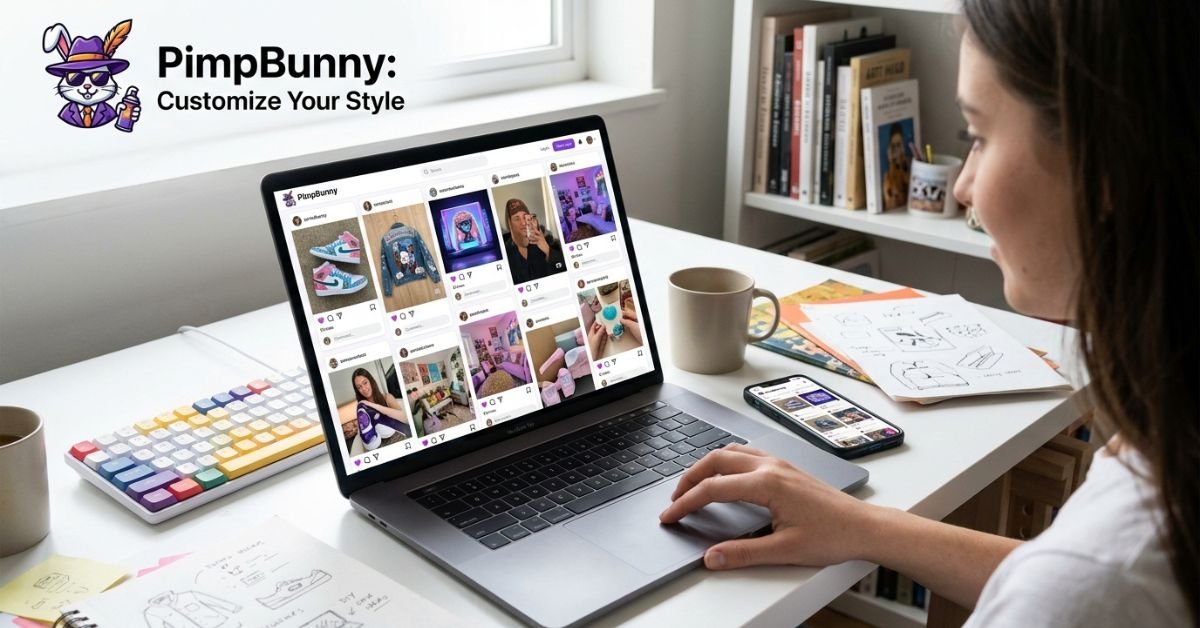
At its core, PimpBunny is an online platform built around user-generated content. That means the website’s material is not primarily created by a single company or editorial team. Instead, users contribute and share content, shaping the platform over time.
This kind of system is not unusual on the internet. In fact, many websites today rely on user participation to stay active. The difference lies in how each platform organizes and presents that content. In the case of PimpBunny, the structure is built around browsing, discovering, and exploring different types of media shared by users.
Because the content comes from many different sources, the platform tends to evolve continuously. What you see today may not be the same tomorrow, as new uploads and updates can change the overall experience.
How PimpBunny Exists Online
To understand PimpBunny’s online presence, it helps to think about how websites gain visibility in general. Most platforms become known through a mix of search engine visibility, word of mouth, and online discussions. PimpBunny follows a similar pattern, but in a more niche way.
Instead of mainstream advertising or large marketing campaigns, its presence is mostly shaped by:
- Mentions in online forums
- Discussions in niche communities
- Search engine queries from curious users
- Social sharing in smaller internet circles
This gives the platform a kind of “low-key visibility.” It is not something everyone knows about, but those who encounter it often discover it through indirect sources rather than direct promotion.
That’s an important part of its identity online—it exists more through community awareness than corporate branding.
The User Experience: What Visitors Typically See
When someone visits a platform like PimpBunny, the experience usually revolves around browsing and exploration. The design is typically structured to allow users to move through categories, search terms, or tags that help organize the content.
Most users are not just there for one specific item—they are often exploring. This creates a browsing-style experience rather than a direct consumption experience. Instead of being pushed content through algorithms, users actively look for what interests them.
In many community-driven platforms, this creates a feeling of unpredictability. You don’t always know what you will find, and that randomness is part of what keeps some users engaged.
The Role of Community in PimpBunny’s Growth
One of the biggest reasons platforms like PimpBunny gain attention is the community behind them. Even if the platform itself is simple, the people using it give it structure, direction, and purpose.
Users typically fall into different roles:
- Some browse only
- Some actively contribute content
- Some engage through comments or discussions
- Others help organize or categorize material
This mix of participation creates a living ecosystem. The platform doesn’t stay static; it changes based on what the community is doing.
In many ways, the community becomes more important than the platform itself. Without users contributing and interacting, there would be no reason for the website to grow or stay relevant.
Why People Are Drawn to Platforms Like This
There are a few psychological and practical reasons why websites like PimpBunny attract attention.
First, there is curiosity. People naturally want to explore platforms they hear about in discussions, especially if they are not widely known.
Second, there is the appeal of variety. User-driven platforms often contain a wide range of content because contributors have different interests and backgrounds.
Third, there is the sense of independence. Unlike heavily regulated platforms, community-based websites often feel less restricted, which can appeal to certain users.
Finally, there is the “internet discovery factor.” Many users enjoy finding hidden or lesser-known websites because it feels like discovering something outside the mainstream internet.
Content Structure and Navigation Style
Even though each platform is different, most user-driven websites follow a similar structure for organizing content. PimpBunny typically relies on:
- Categories to group similar content
- Tags to label specific themes
- Search functions for direct access
- Lists or feeds of recent uploads
This type of structure helps users navigate large amounts of content without getting overwhelmed. It also allows the platform to scale as more users contribute.
Without these tools, the platform would become chaotic very quickly, especially when content is constantly being added.
Online Presence and Reputation
Like many niche platforms, PimpBunny’s reputation online is mixed and highly dependent on where you look. In some spaces, it is simply viewed as another content-sharing website. In others, it becomes a topic of debate or curiosity.
This is common for platforms that are not part of mainstream internet culture. Their reputation is often shaped by:
- Personal user experiences
- Online discussions and reviews
- Word-of-mouth opinions
- Misunderstandings or assumptions
Because of this, the “online presence” of PimpBunny is not fixed. It changes depending on who is talking about it and in what context.
Safety and Awareness While Browsing
Whenever users explore lesser-known websites, it is important to stay cautious. This is not specific to PimpBunny but applies to all community-driven platforms.
Good practices include:
- Avoid sharing personal information
- Being careful with unknown downloads or links
- Using secure and updated browsers
- Understanding that user-generated content varies in quality
The internet is a shared space, and not every piece of content is verified or moderated in the same way. Being aware of this helps users protect themselves while browsing.
The Bigger Picture: What Platforms Like PimpBunny Represent
Beyond the website itself, PimpBunny represents something larger in internet culture. It reflects how online communities have shifted away from centralized control toward more user-driven ecosystems.
In earlier years, websites were mostly controlled by companies that decided what users could see and do. Today, many platforms rely heavily on users to create, upload, and manage content.
This shift has created a more open but also more unpredictable internet. Platforms like PimpBunny exist in that space—where freedom, community, and content diversity come together in a loosely structured environment.
Conclusion
PimpBunny is best understood as part of the wider world of user-generated content platforms. Its online presence is shaped not by traditional advertising or mainstream visibility, but by communities, discussions, and user curiosity.
While it may not be widely known across the entire internet, it continues to exist in niche spaces where users explore, share, and talk about different types of online content. Its structure, community involvement, and organic growth all contribute to its identity.
In the end, PimpBunny is less about being a polished, corporate platform and more about being a reflection of how users interact with content when they are given space to participate freely.